
waste disposal
Proper waste disposal plays a critical role in protecting environmental resources and maintaining regulatory compliance. While landfills are engineered to handle general refuse, certain materials are legally restricted because they pose contamination or safety risks. When prohibited items enter standard disposal streams, they can compromise soil integrity and groundwater quality. Therefore, understanding which materials require alternative handling prevents costly violations and environmental harm.
Kidd Construction Supply works with contractors and property managers who need structured guidance for compliant removal practices. Regulators enforce these rules consistently, so improper sorting often leads to rejected loads and financial penalties. Additionally, teams may disrupt project timelines when they must reprocess materials.
As a result, proactive planning ensures smooth operations and regulatory alignment from start to finish.
Electronics And Waste Disposal Compliance
Environmentally responsible waste management requires separating electronics before transportation. Certified recycling facilities dismantle devices safely and recover reusable metals and plastics. This structured diversion reduces landfill volume while preventing environmental contamination. Therefore, proper routing of electronic waste supports both sustainability goals and compliance standards.
Lead-Acid Batteries And Restricted Materials
Lead-acid batteries present significant risks if included in standard waste disposal containers. These batteries contain corrosive acids and heavy metals that can seep into the environment if mishandled. When exposed to landfill conditions, the internal materials degrade and create long-term contamination hazards. For this reason, strict regulations prohibit their disposal in conventional waste systems.
Hazardous material disposal solutions provide secure collection pathways for these items. Retailers often accept used batteries when replacements are purchased, which simplifies compliance. Recycling facilities extract and reuse lead while neutralizing harmful substances. This process not only prevents environmental damage but also supports resource recovery initiatives.
Organic Debris And Waste Disposal Diversion
Organic materials, including yard debris and untreated wood, are also subject to waste disposal restrictions. When buried in landfills, these materials generate methane gas as they decompose. Methane contributes to greenhouse gas emissions and places additional strain on landfill infrastructure. Therefore, diversion policies require composting or specialized processing instead of direct burial.
Construction debris removal services often coordinate separate collection for organic waste during large projects. Composting programs convert these materials into beneficial soil products rather than allowing them to occupy landfill space. By separating biodegradable debris at the source, contractors reduce emissions and maintain compliance. This approach streamlines inspections and promotes responsible site management.
Petroleum Products And Liquid Waste Controls
Petroleum-based substances are strictly prohibited within traditional waste disposal environments. Used motor oil, fuel residues, and oil-soaked absorbents can quickly contaminate soil and water systems. Even small quantities pose long-term environmental threats when improperly discarded. Consequently, these materials require specialized handling procedures.
Approved hazardous material disposal solutions ensure safe containment and recycling of petroleum products. Collection centers process used oil for refinement and reuse rather than landfill placement. This structured approach reduces pollution risks and supports material recovery. By directing liquid waste properly, contractors avoid regulatory complications and environmental damage.
Tires And Specialized Waste Disposal Requirements
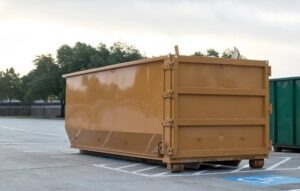
Dumpster rental
Scrap tires cannot be placed in standard waste disposal containers due to fire and environmental hazards. When stockpiled or buried improperly, tires create breeding grounds for pests and present serious combustion risks. Because tire fires are difficult to extinguish, strict diversion policies are enforced. As a result, recycling programs have become the primary management solution.
Commercial dumpster rental services typically exclude tires from general debris loads. Authorized recycling facilities process scrap rubber into materials used for road surfacing and athletic tracks. This conversion reduces landfill strain and promotes sustainable reuse. Proper routing ensures projects remain compliant and environmentally responsible.
White Goods And Appliance Handling Standards
Large household appliances require specific preparation before entering approved waste disposal channels. Refrigerators and air conditioning units contain refrigerants that must be safely removed by certified technicians. If released improperly, these substances contribute to atmospheric damage. Therefore, recovery and documentation are mandatory before recycling.
Landfill compliance regulations also require separation of recyclable metals from appliance frames. Many retailers offer haul-away services when delivering replacement units, simplifying responsible removal. Scrap processing centers then reclaim steel and other valuable components. This organized system ensures environmental protection and resource conservation.
Key Steps For Compliant Waste Disposal
To remain aligned with landfill compliance regulations, contractors should implement clear material management procedures. Essential steps include:
- Separating banned materials at the source
- Verifying approved recycling facilities
- Coordinating specialized collection services
- Documenting disposal pathways
These measures prevent cross-contamination and reduce the likelihood of rejected loads. Clear documentation also simplifies inspections and protects against regulatory penalties. Consistent adherence to structured protocols strengthens project efficiency.
Questions About Waste Disposal
What happens if banned materials are included in a landfill load?
Landfill operators may reject the entire load and require costly re-sorting. Regulatory agencies can also impose fines for noncompliance.
How can contractors ensure environmentally responsible waste management?
Separating materials early and partnering with approved processors ensures that restricted items are handled correctly. Proper documentation further demonstrates compliance.
Are hazardous liquids allowed in standard dumpsters?
No, petroleum products and similar substances require specialized collection services. Using authorized disposal channels protects both the environment and your project.
Effective waste disposal requires preparation, documentation, and awareness of restricted materials. Kidd Construction Supply supports contractors and property managers in developing compliant removal strategies. Contact our team today to ensure your next project meets regulatory standards while protecting environmental resources.
Kidd Construction Supply
1057 Redi Mix Rd
Little River, SC 29566
(843) 399-1515
https://www.kiddconstructionsupplies.com/
Areas Served:
Carolina Forest, Little River, Myrtle Beach, North Myrtle Beach