
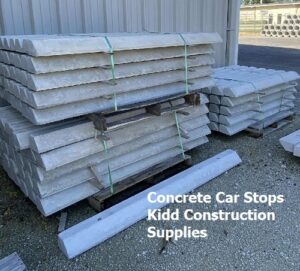
Concrete Car Stops in Little River SC
Busy commercial properties need more than paint and signs to keep vehicles under control. In many cases, the difference between a clean, organized lot and a chaotic one comes down to how drivers know where to stop. That is why concrete car stops play such an important role in shaping the first impression of a site in Little River SC and in keeping vehicles where they belong. When these blocks are placed correctly, they help prevent bumpers from hitting walls, edging onto sidewalks, or damaging landscaping as drivers pull forward.
Because parking areas are often the first thing customers see, owners cannot afford to treat them like an afterthought. A well-planned layout, supported by products supplied by Kidd Construction Supply, sends a strong message about safety and professionalism before anyone even walks through the door. When each space has a clear boundary, visitors feel more confident navigating the lot, and stress at peak times is noticeably reduced.
Benefits of Concrete Car Stops
In addition, owners need solutions that make their property safer without requiring constant hands-on management. That is where parking lot safety in Little River SC planning becomes so important. Once the layout is set, stops are installed, and markings are clear, the lot continues to function smoothly day after day with very little ongoing intervention from staff. This frees owners to focus on serving their customers instead of handling minor parking incidents.
Thoughtfully choosing products and placement can also support broader commercial parking solutions strategies. For example, separating customer bays from loading areas or defining spaces near entrances for short-term parking prevents conflict between different types of drivers. Over time, this simple organization reduces near misses, tight squeezes, and blocked paths that frustrate people and increase risk.
How Concrete Car Stops Improve Everyday Safety
For many sites, the most immediate benefit of concrete car stops is impact protection. When a driver misjudges the brake or rolls a few inches too far, the block absorbs that movement and stops the vehicle before it hits a wall, post, or walkway. This small barrier can prevent expensive repairs and reduce the number of minor scrapes and dents that would otherwise occur in a busy lot.
Furthermore, these blocks help keep aisles clear so drivers can see and be seen. When front wheels stop at a consistent point, vehicles do not nose into driving lanes or creep into cross-traffic. As a result, passing cars have more room to turn and maneuver, which directly supports longer-term durable parking barriers planning. A more predictable layout means fewer surprises for drivers and fewer sudden stops.
The benefits are not limited to vehicles. When stops are placed correctly, they also contribute to better pedestrian safety in parking lots by keeping cars from crossing over sidewalk edges and narrowing footpaths. People walking with children, carrying shopping bags, or using mobility aids depend on clear, unobstructed space. By making sure vehicles remain inside their bays, lot owners protect that space and reduce trip hazards around curbs and ramps.
Types Of Parking Stops And Material Choices
Although different materials are available, many owners still prefer concrete car stops in Little River SC because they offer reliable weight and durability. Lighter materials can move out of place or wear down more quickly, especially in high-traffic areas or where vehicles with larger tires and higher curb weights are common. Concrete holds its position when anchored correctly and can withstand repeated contact without quickly degrading.
However, not every space in a lot needs the same style of block. Some properties benefit from combining different products as part of broader parking lot wheel stops Little River projects. For instance, lower-profile blocks might be used near pedestrian plazas, while taller blocks are reserved for truck or van spaces. Matching the design to the type of vehicle that typically uses each bay helps maintain comfort for drivers while still preventing over-travel.
Owners also need to consider how stops fit into their wider commercial parking solutions plans. A well-designed site will blend physical barriers with striping, signage, and lighting so drivers receive clear, consistent guidance. When all these elements work together, the lot feels intuitive to navigate, even for first-time visitors who are unfamiliar with the property.
Concrete Car Stops And Pedestrian Protection
Because people move through lots in all directions, the safety of those on foot must be a top priority. Properly placed concrete car stops help protect crosswalks, loading areas, and curb ramps by preventing vehicles from edging into these zones. When drivers know exactly where their wheels will contact a block, they are far less likely to roll onto walkways or corner-cutting paths that pedestrians rely on.
In many cases, this type of protection is one of the most practical commercial parking solutions for sites that serve both vehicles and heavy foot traffic. Grocery stores, medical centers, and busy multi-tenant properties all benefit from separating parking spaces clearly from walking routes. A few inches of concrete between the front of a vehicle and the sidewalk can be the difference between a safe, open path and a trip hazard that forces people into the drive lanes.
Moreover, enhancing pedestrian safety in parking lots is not just about avoiding accidents. It is also about perception. When visitors can move comfortably from their car to the entrance without squeezing past bumpers or stepping into puddles near curbs, the entire experience feels more welcoming. This positive impression encourages repeat business and helps tenants feel proud of the property where they operate.
Installing Concrete Car Stops For Long-Term Performance
To get full value from concrete car stops, owners must think carefully about how they will be installed and anchored. Poor placement or light anchoring can allow blocks to shift over time, especially in lots that see frequent turning or plowing. By planning the layout, drilling proper holes, and using the right hardware, installers can ensure that each unit stays exactly where it is supposed to be for years. This is one reason many property managers choose to work with Kidd Construction Supply as a trusted partner.
In addition, installation is a chance to coordinate stops with striping and signage. Once the positions are marked, painting lines to match the new layout helps reinforce driver expectations and supports ongoing parking lot safety efforts. When wheel contact, line position, and sign placement all agree, drivers quickly understand how to use the space correctly. That consistency is what turns a basic lot into a highly functional one.
After the initial work is complete, regular inspections keep the system strong. Owners should watch for cracking, chipping, or loose hardware and address issues before they become serious. Because stops are part of wider durable parking barriers planning, keeping them in good condition also protects the investment in resurfacing, striping, and other improvements across the property.
FAQs
1. What do parking stops actually prevent?
They prevent vehicles from rolling too far forward, which helps avoid damage to walls, curbs, landscaping, and pedestrian areas.
2. Are heavy concrete blocks necessary in every parking lot?
Not always, but they are highly recommended in front-in spaces near sidewalks, storefronts, and structures where forward movement could cause damage or safety issues.
3. How do stops help with visibility in busy lots?
By keeping vehicles set back at a consistent distance, they prevent bumpers and hoods from jutting into driving lanes, so drivers enjoy clearer sight lines when turning or backing out.
4. Can parking stops reduce maintenance costs over time?
Yes, they often reduce repair bills by limiting accidental contact with buildings, curbs, signs, and other structures that would otherwise need frequent patching or replacement.
5. How often should a property owner check stops for damage or shifting?
At least once a year, and also after major storms, snow removal, or resurfacing projects, so any movement or cracking can be corrected quickly.
6. Are stops suitable for both new construction and existing lots?
Absolutely. They can be specified as part of a new design or added later to upgrade older parking areas without major reconstruction.
If you are ready to improve the safety, look, and overall organization of your parking areas in Little River SC, now is the perfect time to take action. Talk to Kidd Construction Supply about high-quality products, smart layout ideas, and proven installation support that will help you integrate concrete car stops into a complete, long-lasting parking solution tailored to your property.
Kidd Construction Supply
1057 Redi Mix Rd
Little River, SC 29566
(843) 399-1515
https://www.kiddconstructionsupplies.com/
Areas Served:
Carolina Forest, Little River, Myrtle Beach, North Myrtle Beach